
Joy Is Not Soft
Jul 06, 2026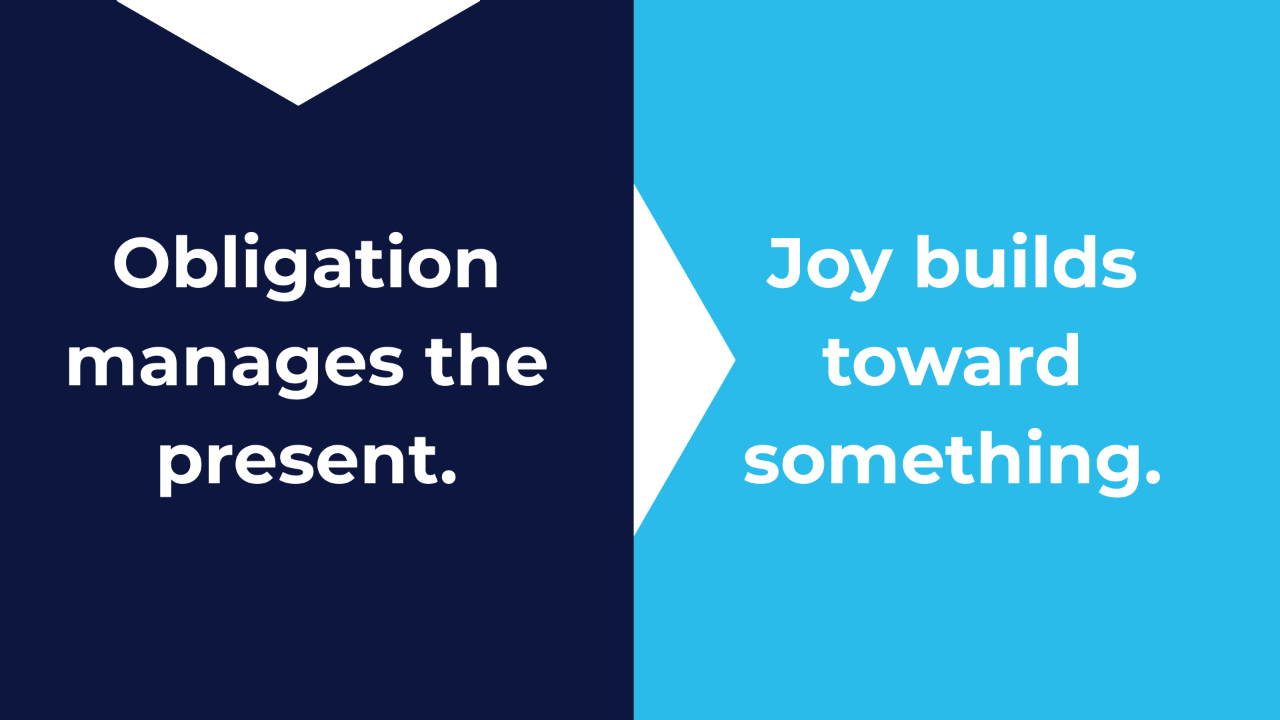
Joy is the Most Strategic Thing a Leader Can Choose.
A year ago, I wrote about joy as a personal practice. About the deliberate, daily work of choosing it even when it does not come naturally. That post was about the inner work. The quiet, unglamorous discipline of noticing what is good, moving through what is hard, and refusing to let despair have the last word.
This post is about what happens when that inner work meets organizational leadership. And why I believe joy is not just personally sustaining but strategically essential for every leader doing work that matters in the world right now.
The problem with how we talk about joy in organizations
In most organizations, joy is treated as fluff. It rarely makes it into wellness programs, let alone strategic plans. It is seen at best as a byproduct of success, something that might show up after a goal is reached, a milestone celebrated, a hard season survived. Nice to have. Never necessary.
This perspective is flat wrong.
Joy is not what you get when things are going well. Joy is what makes it possible to keep going when they are not.
What joy actually is at the leadership level
Joy deserves its own distinction because it is so often collapsed into feelings that are cheaper and less durable.
Joy is not happiness, which is circumstantial and fleeting. Joy is not optimism, which can tip toward denial when the situation is genuinely hard. Joy is not positivity, which is frequently a mask worn over fear.
Joy is a chosen orientation toward possibility in the face of real difficulty. It is the capacity to hold both the weight of what is and the vision of what could be, simultaneously, without collapsing into despair on one side or false cheer on the other.
As I wrote a year ago, joy is an act of resistance and creativity. At the individual level, that resistance keeps you going. At the leadership level, it has consequences far beyond you.
What joy makes possible organizationally
There is a strong and underappreciated strategic case for joy. Here is what it actually enables.
Sustained commitment. Leaders who have genuine joy in their work sustain their engagement far longer than those running on obligation and will alone. Burnout is not caused by caring too much. It is caused by caring without joy. By giving everything to the work without ever receiving anything back from it that feels alive.
Psychological safety. Teams led by people who feel real joy in what they are doing are more likely to take creative risks, ask honest questions, and surface the hard truths that most organizations never hear until it is far too late. Joy creates permission. Leadership without joy, even when well-intentioned and deeply committed, creates vigilance instead.
Long-range vision. Joy is what allows a leader to hold a twenty-year vision while navigating a genuinely difficult present. Without it, the long horizon collapses into the urgent. The north star disappears. And the organization stops building toward something and starts simply managing what is in front of it.
Creative capacity. At the individual level, joy fuels creative acts. At the organizational level, it is the difference between a culture that generates genuinely new ideas and one that keeps recycling old solutions with new labels and wonders why nothing changes.
A personal word
Over the last year, my own story could have easily sunk into despair. And I want to be honest about that because I think leaders need to hear it from someone who means it.
This has been the hardest year of my life, personally and professionally. The kind of hard that does not fit in a LinkedIn post or a strategic plan. The kind that shows up at 2 AM and does not leave quietly. I could have let the overwhelm, the fear, and the weight of it pull me down into a place where no better future felt possible.
I did not. Not because I am exceptional. Because I kept choosing joy.
Not happiness. Not pretending everything was fine. Joy. The stubborn, active, sometimes exhausting choice to keep hope and possibility alive even when the evidence for either felt thin.
Despair is easy. It is available twenty-four hours a day, seven days a week, with no subscription required. Joy is different. Choosing to believe that something better is possible, and moving toward it one deliberate decision at a time, is an act of resistance. And resistance, it turns out, is one of the most strategic things a leader can practice.
Choosing joy does not mean everything is okay. It means you are still willing to move forward. Still willing to care. Still willing to imagine a future that is different and better than today. Still willing to write the next chapter rather than close the book.
That willingness is not soft. It is everything.
The hard truth about joyless leadership
The most exhausted leaders I work with are not exhausted because they do not care. They are exhausted because they care enormously and have been operating without joy for so long that the work has become indistinguishable from obligation.
Obligation may sustain a leader for a long while. But obligation and joy produce entirely different organizations. Obligation checks the boxes and manages the present. Joy creates meaning, builds culture, and generates the kind of sustained energy that actual transformation requires.
An organization led by obligation will survive. An organization led by joy will become something worth building toward.
Joy as a strategic practice for mission-driven leaders
I am writing this for a specific person. You know who you are.
You are a mission-driven leader working inside systems that were not built for the world you are trying to change. You show up every day for communities, causes, and people who need you. You have given enormous amounts of yourself to work that genuinely matters. And somewhere along the way, the joy got squeezed out. Not all at once, but gradually, quietly, under the weight of everything that needed doing.
Joy isn't a luxury you cannot afford right now. It is the very thing that makes the rest of the work possible. It is what keeps your vision alive when the present is hard. It is what creates the culture your team needs to do their best thinking. It is what sustains you through the long arc of change that real transformation actually requires.
You do not have to manufacture it. You do not have to feel it before you can choose it. You just have to be willing to turn toward it, one small deliberate act at a time.
An invitation
What would it look like to lead your organization from joy rather than exhaustion? And what would become possible for your team, your community, your mission if you did?
These are my favorite questions to sit with. And they are exactly the kind of conversation I love to have.
If something in this post named something you have been carrying, I would love to talk. No agenda. Just an honest conversation about where you are and what feels most alive in your work right now.
Book a conversation here.
Stay connected with news and updates!
Join the mailing list to receive the latest blog posts and updates.
Don't worry, your information will not be shared!
We hate SPAM. We will never sell your information, for any reason.